Affordable Pottstown Auto Repair Services for Transmission Repair
Best Auto Repair Tips: How to Keep Your Vehicle Running Smoothly
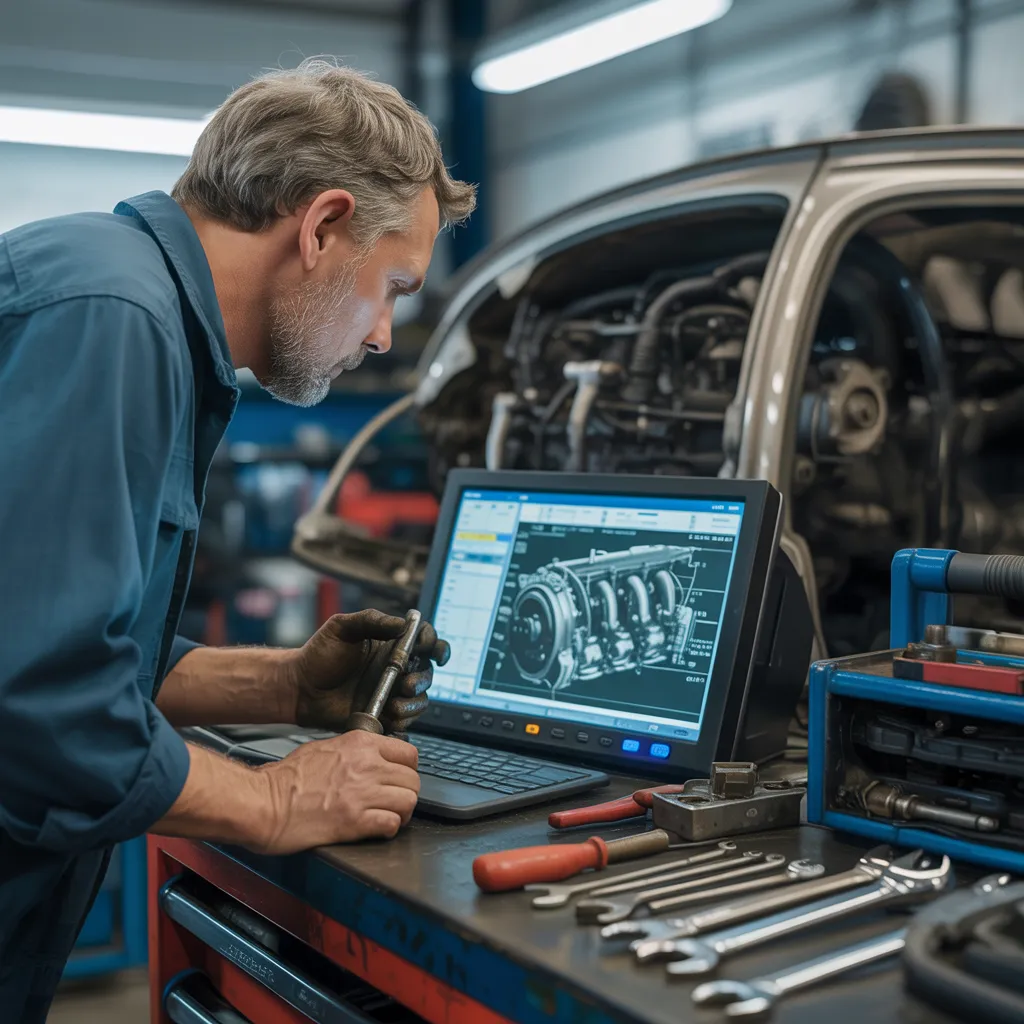
Vehicle maintenance is vital for longevity and performance. Key tasks like regular tire checks, fluid inspections, and battery upkeep form the foundation of effective upkeep. Understanding when to replace engine oil and how to check brakes is equally necessary. Seasonal adjustments can further improve vehicle reliability. Discovering the finer points of these maintenance tasks can prevent expensive repairs later. What steps can drivers take to assure their vehicles stay in peak condition?
Critical Maintenance Procedures to Preserve Your Vehicle Running Well
Maintaining a vehicle in optimal state requires regular maintenance tasks that every owner should prioritize. These critical duties include checking tire pressure and tread depth, which guarantees peak performance and safety. Owners should frequently check and swap out air filters to maintain engine performance. Moreover, tracking fluid amounts—such as coolant, brake fluid, and transmission fluid—is vital for preventing potential issues.
Routine inspections of the battery terminals and connections help prevent starting issues. Wiper blades should be checked and replaced as needed for clear visibility during adverse weather. In addition, maintaining the vehicle's exterior through regular washes and waxing protects the paint and prevents rust.
When and Why to Switch Engine Oil
What is the best time to replace engine oil, and why is it vital for a vehicle’s longevity? Oil changes done on a regular basis are important for maintaining engine performance and extending the lifespan of a vehicle. Most automotive experts suggest changing the oil every 3,000 to 7,500 miles, depending on the type of oil used and driving conditions. Factors including frequent short drives, harsh temperatures, or pulling heavy loads may demand oil changes on a more frequent basis.
Engine oil lubricates moving parts, lowers friction, and helps disperse heat. Over time, oil deteriorates and accumulates contaminants, which can lead to engine damage and reduced efficiency. Neglecting oil changes can result in expensive repairs or even engine failure. By adhering to a regular oil change schedule, vehicle owners can ensure peak performance and longevity, ultimately saving time and money in the long run.
Tire Maintenance: Crucial Recommendations for Pressure Checks and Rotating
Tire upkeep is vital for vehicle safety and performance. Preserving proper tire pressure and maintaining a regular rotation schedule can substantially extend tire lifespan and improve fuel efficiency. Appreciating these essential maintenance approaches is key for every vehicle owner.
Appropriate Tire Pressure Maintenance
Maintaining the correct tire pressure plays a important role in vehicle safety and performance. Having insufficiently inflated tires can result in decreased fuel economy, increased tire wear, and a higher chance of blowouts. Over-inflated tires often cause a stiff ride and diminished traction. For the best results, drivers are advised to check tire pressure at least once a month and ahead of any lengthy trips. Utilizing a reliable tire pressure gauge, they can compare the readings to the manufacturer's recommended levels, usually found on a sticker inside the driver’s door or in the owner’s manual. Moreover, changes in temperature can affect tire pressure, so seasonal adjustments may be needed. Frequent monitoring boosts safety and lengthens the life of the tires.
Regular Tire Turning Pattern
Maintaining a consistent tire rotation schedule is key for ensuring balanced tire wear and extending the life of the vehicle's tires. Rotating tires every 5,000 to 7,500 miles is commonly advised, though specific requirements may vary based on the vehicle and tire type. Drivers can help minimize imbalances caused by factors like weight distribution and driving habits by moving the tires from one position to another. Traction and handling are improved by this practice, which also reduces the likelihood of premature tire failure. Moreover, regular rotations contribute to improving fuel efficiency, benefiting overall vehicle performance. A regular rotation schedule is a simple yet effective way to preserve tire health and guarantee a safer driving experience.
What's Important to Recognize About Your Brakes?
Brakes are among the most essential components supporting information of any vehicle, ensuring protection and control on the road. Knowing how brakes operate is important for proper maintenance. Most vehicles use disc brakes, which comprise of a rotor and caliper, and drum brake systems, which feature a brake drum and shoes. Regular inspections are necessary to evaluate for wear and tear, as brake pads typically have a lifespan of 30,000 to 70,000 miles.
Signs of braking problems include squeaking, grinding, or a soft brake pedal. These warning signs may suggest worn pads or low brake fluid levels. Drivers should also be mindful of any pulling to one side when braking, which could signal uneven wear.
Routine servicing, including exchanging worn parts and confirming the brake system is free of air, is vital for maximum operation. Emphasizing brake care boosts vehicle protection and lengthens the lifespan of the braking system.
Car Repair Tips: Examining Fluid Levels
Proper vehicle care involves assessing fluid status to achieve ideal performance. Key liquids such as engine oil, coolant, brake fluid, and transmission fluid all require regular monitoring. Detecting the warnings of low levels can prevent significant damage and costly repairs.
Important Fluid Kinds
During driving, a vehicle's performance often centers on the routine care of necessary liquids. Key fluid options feature engine oil, coolant, transmission fluid, brake fluid, and power steering fluid. Engine oil conditions moving parts, reducing friction and wear, while coolant stops overheating by maintaining engine temperature. Transmission fluid ensures smooth gear shifts, protecting the transmission from damage. Brake fluid is vital for effective braking, as it transfers force from the brake pedal to the brake components. Additionally, power steering fluid allows more effortless steering, improving driver control. Consistently monitoring and maintaining these fluids is important for superior vehicle performance and service life, ultimately contributing to a more protected driving experience.
Suggested Monitoring Frequency
To guarantee peak vehicle performance, regularly checking fluid levels is crucial. It is recommended to check engine oil, coolant, brake fluid, transmission fluid, and power steering fluid at least once a month. For vehicles subjected to harsh operating environments, such as frequent stop-and-go traffic or extreme temperatures, additional inspections may be required. Additionally, it is prudent to review fluid levels before starting long trips or after extensive driving. Routine maintenance schedules often recommend fluid checks during oil changes, which typically occur every 3,000 to 7,500 miles, depending on the vehicle. By following these recommended frequencies, vehicle owners can help ensure their cars operate efficiently and reduce the risk of costly repairs.
Warning Signs of Low Levels
Recognizing the signs of insufficient fluid is essential for maintaining vehicle performance. Drivers should be attentive for indicators such as warning lights on the dashboard, which often indicate insufficient oil, coolant, or brake fluid. Strange sounds, such as grinding or squealing, can also indicate insufficient transmission or power steering fluid. Additionally, a noticeable decrease in braking performance may indicate insufficient brake fluid. Drivers should also check for fluid leaks under the vehicle, which can point to various issues. Finally, an motor that operates at higher temperatures than normal might indicate insufficient coolant. Consistently checking these signs ensures that fluid levels remain adequate, eventually prolonging the car's longevity and enhancing safety on the roadway.
Caring for and Testing Your Car Battery: Vital Tips
A properly maintained car electrical unit is essential for automotive functionality and longevity. Periodic checks and evaluation can avoid unforeseen breakdowns. First, car owners should examine the terminal points for oxidized deposits, which can block electrical flow. Cleaning the points with a baking soda and water blend can restore connectivity.
Next, assessing the battery voltage is critical. A multimeter can check if the voltage is within the optimal range of 12.4 to 12.7 volts. If the voltage is below standard, it may indicate the requirement for recharging or replacement.
Additionally, verifying that the battery is firmly secured helps avoid vibrations that can harm it. Checking the fluid levels in non-maintenance-free batteries is also important, as low fluid can result in thermal damage.
Ultimately, regular professional inspections can uncover potential difficulties early, guaranteeing the battery stays in peak condition for reliable vehicle use.
Periodic Vehicle Care Suggestions
Seasonal vehicle maintenance is crucial for ensuring peak performance throughout the year. As each season brings unique challenges, car owners should adjust their maintenance routines accordingly.
In winter, examining antifreeze amounts and inspecting the battery are essential. Verifying tires have adequate tread and proper inflation enhances traction on icy roads. Spring upkeep should prioritize fluid amounts, wiper blades, and the air conditioning system, readying the vehicle for warmer weather.
Summer requires tracking coolant levels and ensuring the radiator is operating efficiently to prevent overheating. Fall maintenance can encompass examining brakes, lights, and replacing the cabin air filter to enhance air quality as temperatures drop.
Regularly Requested Concerns
How Regularly Do I Need to Change My Windshield Wipers?
Your windshield wipers should typically be replaced every six to twelve months, contingent on operating conditions and environmental conditions. Regular inspection for wear and tear ensures ideal line of sight and well-being during adverse weather conditions.
What Can I Do if My Engine Warning Light Comes On?
Should the check engine light come on, the initial step is to examine the gas cap for a secure fit. When the light doesn't go away, seeking a technician for diagnostics is advisable to address underlying issues impacting your vehicle's performance.
Can Independent Parts Offer the Same Dependability as OEM Parts?
Aftermarket parts can differ significantly in quality and reliability compared to OEM parts. While some aftermarket options may perform well, others might not match the same level of quality, making thorough research and thoughtful selection essential for buyers.
In What Ways Can I Enhance My Vehicle's Fuel Performance?
To improve fuel efficiency, maintaining proper tire pressure, arranging routine engine tune-ups, utilizing premium fuel, and decreasing excess weight can help. Additionally, practicing smoother driving habits and reducing idling time significantly helps to better mileage.
Determining When You Need to Replace Your Car's Timing Chain?
A vehicle's serpentine belt should be replaced every 60,000 to 100,000 miles based on the maker's guidelines. Signs of damage, such as fraying or cracking, also point to the need for replacement.